
About Heikenei
- ISO certified (ISO 9001, ISO 14001, ISO 45001)
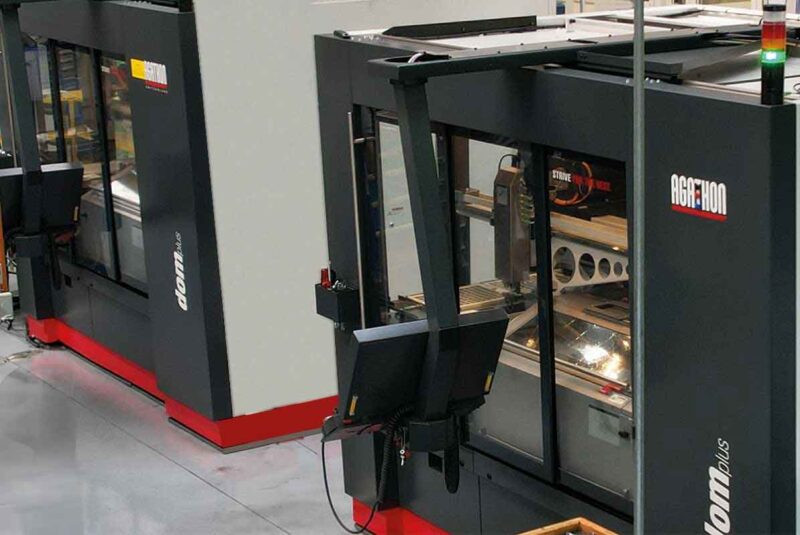
- in-house production with continuous investment in technology and quality control
- export-focused: deliveries to 44 countries
- products comply with international standards
Heikenei drills
General Information about SP drills
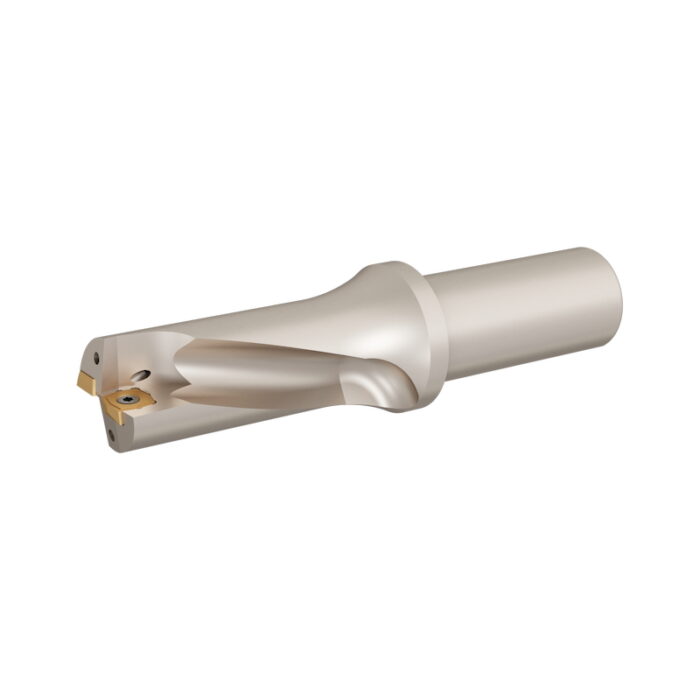
- "SP" is a series of drills with indexable inserts (the cutting inserts are removable/replaceable)
- these drills are designed for deep holes
- the series is designed for a variety of materials, not just one specific one, which provides flexibility
- the coolant supply system is important, especially for deep holes: to cool the inserts and remove chips
Technical Features of the SP series drills
Design and type
- removable/replaceable Inserts (the cutting part is made of inserts that can be replaced without replacing the entire drill body)
- designed for deep holes
Diameters and lengths
- SP D2 Series: diameters from 12.5 mm to 50 mm; working lengths from 94 mm to 210 mm (designed for medium drilling depths requiring moderate penetration and good rigidity)
- SP D3 Series: diameters from 12.5 mm to 50 mm; working lengths from 101 mm to 260 mm (designed for deeper holes; longer versions of the D3 series allow for deeper drilling)
- SP D5 Series: diameters from 13 mm to 30 mm; working lengths from 120 mm to 233 mm (this model is narrower in diameter range, but designed for sufficient length: it provides a balance between hole depth and diameter)
Rigidity and stability
- the indexable insert design helps: easier insert replacement, lower wear costs. The presence of a replaceable cutting element reduces the need to replace the entire tool
- a short working section (sometimes) and appropriate clamping help minimize deflection
Precision and insert replacement
- inserts can be replaced to restore cutting geometry or change the cutting profile, which helps maintain consistent productivity
- proper insert clamping, correct orientation, and high-quality screws/holders are required. Poor clamping can reduce accuracy, increase vibration, and lead to hole defects
Advantages of SP drills
- quick insert change: saves time and resources, especially with frequent use
- availability to select different subseries (D2, D3, D5, etc.) to suit your specific task: drilling depth, diameter, material
- versatility: Multi-purpose drills are suitable for a variety of materials
- ability to drill deep holes: SP series are designed for more demanding length conditions
Limitations
- the longer the drill, the higher the risk of chatter, vibration, and deviation, especially with larger diameters
- increased cooling/flushing requirements, especially with deep holes
- indexable inserts: Correct insert orientation, clamping quality, coating type, and insert material are important to maintain cutting properties
Applications
- Metalworking/mechanical engineering (for drilling holes in steel, alloyed parts, cast iron, and other hard metals)
- Aircraft manufacturing and Aerospace (for manufacturing components that require tight tolerances, especially in difficult-to-machine alloys; for drilling holes in wings, fuselages, and landing gear, where components often have significant bore depths)
- Automotive (for multiple holes of varying depths; for casting and ramming)
- Power generation and heavy engineering (for equipment manufacturing that requires drilling long channels, housings, flanges, and other thick-walled components)
- Shipbuilding and infrastructure construction (for thick materials that require deep drilling with consistent productivity)
- Machines and machine tools (for manufacturing machine beds, plates, and housings; for manufacturing holders, mandrels, spindles, and axles, where holes must be correctly positioned and of the correct diameter)
Heikenei drills for metal on Enex