
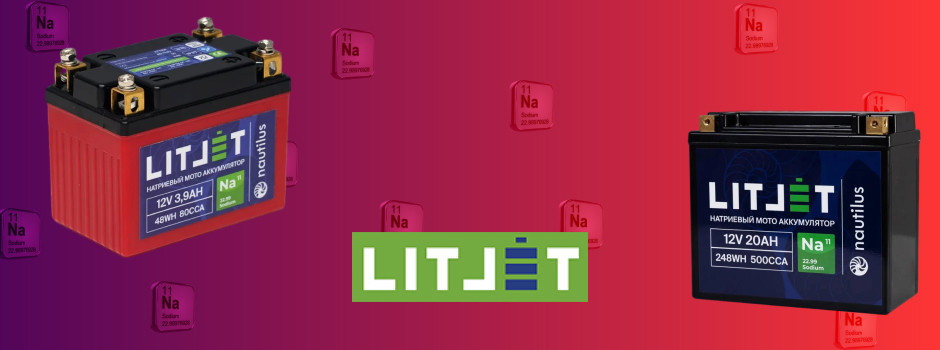
Determination of sodium-ion batteries
Sodium-ion batteries – This is a type of battery that uses sodium to store and release energy through electrochemical processes. These batteries work on a principle similar to lithium-ion batteries: during discharge, sodium+ ions move from the anode to the cathode through the electrolyte, and the reverse process occurs during charging.
The main difference between sodium-ion batteries and lithium-ion batteries is the use of sodium, which is more affordable and cheaper than lithium. This makes them more economically attractive, especially for large-scale applications such as energy storage for power grids or for use in electric vehicles.
Sodium ion batteries (SIB) are developing rapidly and will soon become important for electric vehicles and energy storage. Chinese electric vehicle and battery manufacturer BYD and FinDreams have built the largest SIB manufacturing plant, and manufacturer CATL began mass production at the end of 2023.
CATL announced the launch of high-energy density sodium-ion batteries (160 kWh/kg). BYD has introduced sodium-ion batteries on its Seagull and Dolphin compact models, increasing competition in China's automotive industry.
Sodium-ion batteries are of considerable interest in the field of energy, especially because of their potential to be more environmentally friendly than lithium-ion batteries.
 |
 |
The main advantages of sodium-ion batteries
- Higher migration rate of sodium ions compared to lithium, the ability of sodium batteries to give and receive much higher currents compared to lithium batteries (3 — 5 S for lithium batteries 10 — 15 S for sodium batteries).
- Environmental safety: Sodium is a less harmful element compared to lithium, which makes sodium-ion batteries more preferable in terms of environmental sustainability
- Technology development: Despite the fact that sodium-ion batteries are at an earlier stage of development compared to lithium-ion batteries, they are actively developing towards improving key characteristics such as energy intensity, efficiency and durability
- Availability of raw materials: Sodium is more abundant and affordable compared to lithium
- Thermal stability: Batteries are more stable at high temperatures
- Cyclability: Potentially more recyclable
- Fuel economy and increased power: Fast charging, 3-5% fuel savings compared to lead-acid batteries, 5-8% increase in power.
- Wide voltage range: The voltage range is from 6 V to 15.8 V, which makes them suitable for various types of engines and on-board systems with 1-3 batteries.
- Wide operating temperature range: The operating temperature range is from -50℃ to 90℃ (-30 ℃ to 70℃), which allows the batteries to be used in various climatic conditions without worrying about the effect of temperature on their operation.
- High performance: The inrush current (CCA) is 3 times higher than that of lead-acid batteries and 2 times higher than that of lithium batteries. For example, for a 12 V 10 Ah battery, the maximum CCA is 350.
- Support charging at 0V: There is no need to worry about losing the battery due to prolonged non-use. You can activate our battery with a small current.
- Light weight: The energy density is higher than that of lead-acid batteries, and the weight is half as low.
- Affordable price: The performance is comparable to lithium batteries, but the price is comparable to lead-acid batteries.
- Long service life: More than 3,000 cycles at 80% residual capacity. We provide a 2-year warranty.
The main disadvantages of sodium-ion batteries
- Energy Density: Have a lower energy density than lithium-ion batteries
- Development and optimization: The technology is still in an evolving stage
Comparison of batteries : sodium – ion, lithium – ion, lead –acid>
| Title | Sodium – ion battery | Lithium – ion battery | Lead –acid battery |
| Volumetric energy density | 250-375 Wh/L, based on prototypes | 200-683 Wh/3 Wh/L | 80-90 Wh/L |
| Gravimetric energy density (specific energy) | 140 Wh/kg | 280 Wh/k Wh/kg | 35-40 Wh/kg |
| Cycles at 80% discharge depth | 3000span> | 4000>4000 | 700 |
| Cycle stability | High (slight self-discharge) | High (slight self-discharge)span> | Moderate (high self-discharge)harge) |
| Round-trip DC efDC efficiency | up to 92% | 97–99%span> | 65–85%65–85% |
| Temperatuerature range | From From -30 °C to 80 °C | AccepAcceptable: -20 °C to 60 °C | From -30 °C to 60 °C |
Development of sodium-ion battery technology
Sodium-ion batteries represent a breakthrough technology in the field of energy storage based on the use of sodium, a more affordable and cost–effective element compared to traditional lithium. This makes them particularly promising for widespread use, especially in large-scale energy projects.
The development of sodium-ion batteries involves solving a number of technical problems, including the creation of efficient materials for electrodes and electrolytes capable of optimally working with sodium ions. Modern research is aimed at improving the key characteristics of batteries:
- Cycling
- Durability
- Resistance to extreme temperatures
The successful development of the technology opens up broad prospects for the use of sodium-ion batteries in various fields:
- Electric vehicle industry
- Renewable energy storage systems
- Stationary energy storage for the stabilization of electrical networks
Using sodium instead of lithium provides a number of environmental benefits:
- Lower toxicity
- Higher availability of the element
- Environmental safety of production
The principle of operation
The functioning of sodium-ion batteries is based on the electrochemical process of sodium ion transfer:
- During discharge: sodium ions move from the anode to the cathode through the electrolyte, generating an electric current
- When charging: the reverse energy storage process occurs
The key advantage of sodium-ion batteries is the use of more affordable and cheaper sodium compared to lithium, which makes them an attractive solution for various energy systems.
 |
 |
Applications of sodium —ion batteries
Sodium-ion batteries represent an economical and promising solution for storing energy from renewable sources and are used in industrial energy storage systems to stabilize networks. They are effective in transportation systems and mobile devices, offering an alternative to lithium-ion batteries, which emphasizes their versatility and wide application potential.
- Industrial Energy storage systems: Ensuring the stability of networks and reducing dependence on traditional energy sources.
- Renewable energy sources: The use of energy from solar and wind sources in energy storage systems.
- Transportation systems: Potential applications in electric vehicles (electric bicycles, electric scooters, gyroscuters, etc.), providing an alternative to lithium-ion batteries.
- Mobile devices: Effective use in portable devices, providing more sustainable and cost-effective solutions.
- Energy storage for household needs: Application in energy storage systems for household consumers, improving the sustainability of energy supply.
Application of sodium-ion batteries in industry
The use of sodium-ion batteries in industry strengthens the stability of energy systems, helping to smooth out peak loads and stabilize energy supply. Their cost-effectiveness, durability and safety make them ideal for industrial facilities where they efficiently meet high energy needs. Such use helps to reduce dependence on traditional energy sources.
- Backup energy supply systems: Providing a reliable and stable backup energy source for enterprises
- Smoothing peak loads: Effectively managing changes in energy consumption, reducing overload risks and reducing consumption during peak periods
- Balancing energy systems: Improving the stability and balance in the power systems of industrial facilities
- Electric power plants: Use as a key component for providing electricity to industrial enterprises
- Integration with renewable energy sources: Joint use with solar and wind systems to create sustainable and environmentally friendly energy solutions
- Energy consumption reduction: Application to optimize energy consumption and reduce energy costs in industrial processes
Application of sodium-ion batteries for mobile devices and transport
The prospects for using sodium-ion batteries in mobile devices and transportation include:
- Increased autonomy: For mobile devices, sodium-ion batteries can offer longer battery life
- Cost reduction: In the transportation industry, especially in the production of electric vehicles, the use of sodium-ion batteries can reduce the overall cost of vehicles
- Improving environmental sustainability: Sodium-ion batteries represent an eco-friendly option, which plays a key role in the sustainable development of mobile devices and vehicles
- Greater availability and reliability: Greater availability of sodium as a raw material makes these batteries more reliable and resilient to global supply chain disruptions
- Integration with renewable energy sources: Sodium-ion batteries can better integrate with renewable energy systems, which will accelerate the transition to environmentally friendly technologies in transport and mobile devices
These factors make sodium-ion batteries an important element in the development of future technologies both in the field of mobile devices and in the field of transportation.
Economic feasibility of production of sodium-ion batteries
The economic feasibility of producing sodium-ion batteries is based on several key factors:
- Availability of raw materials: The sodium used in these batteries has greater availability and lower cost compared to lithium, which helps reduce overall production costs
- Low cost of production: The production process of sodium-ion batteries can be less expensive, which affects the final cost of products. This creates the potential for more affordable prices on the market
- Application in large-scale systems: Economic feasibility is enhanced in the field of large-scale use, for example, in industrial energy storage systems and stationary installations, where sodium-ion batteries can be competitive
- Energy stability: The ability of sodium-ion batteries to operate efficiently under high load conditions and maintain high energy density ensures stability and long service life, which can increase the economic feasibility of their use
Technological challenges, such as increasing the energy density and durability of sodium-ion batteries, must be taken into account in order to improve their cost-effectiveness. With the development of technology and additional research, we can expect an increase in their competitiveness.
 |
 |
Environmental impact comparison with other types of batteries
Comparing the environmental impact of sodium-ion batteries with other types of batteries includes several key aspects:
- Raw materials: Sodium-ion batteries use sodium, which is available and less harmful to the environment compared to lithium used in lithium-ion batteries. This makes mining more environmentally friendly.
- Manufacturing: The production process of sodium-ion batteries has the potential to be less harmful to the environment, as it requires fewer rare and toxic materials than the production of lithium-ion and lead-acid batteries.
- Recycling and Recycling: Sodium-ion batteries are better recyclable compared to some other types, especially if recycling technologies improve.
- Carbon footprint: The ecological footprint of sodium-ion batteries may be smaller, especially if the energy for their production will be obtained from renewable sources.
- Durability and Efficiency: Although lithium-ion batteries currently outperform sodium-ion batteries in terms of energy density and durability, improvements in sodium-ion battery technology may make them a more environmentally friendly choice in the long run.
Sodium-ion batteries represent a more environmentally sustainable option compared to traditional lithium-ion and lead-acid batteries, especially given their potential for further improvement and optimization.
Expected improvements and new features
Expected improvements and new opportunities in the development of sodium-ion batteries include:
- Increasing energy intensity: Research is aimed at increasing the energy density of sodium-ion batteries, which will make them more competitive compared to lithium-ion batteries.
- Improved durability: Working to increase battery life so that they can withstand more charge-discharge cycles without significant loss of capacity.
- Fast Charging: The development of technologies that allow sodium-ion batteries to charge faster, which is critical for applications such as electric vehicles.
- Improved thermal stability: Research is aimed at improving battery performance in extreme temperature conditions.
- Environmental aspect: Development of more environmentally friendly production and disposal processes to minimize the impact on the environment.
- Lower cost: Lower production costs, which will make sodium-ion batteries more affordable for a wide range of applications.
- Applications in large power systems: The use of sodium-ion batteries for energy storage on a grid scale, especially for integration with renewable energy sources.
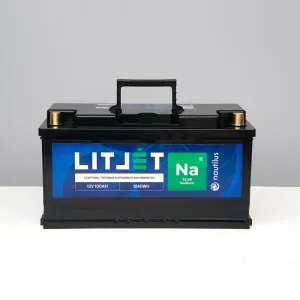
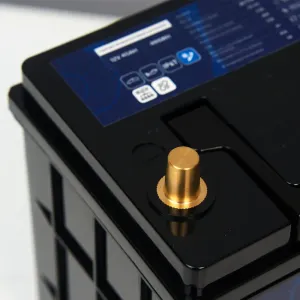
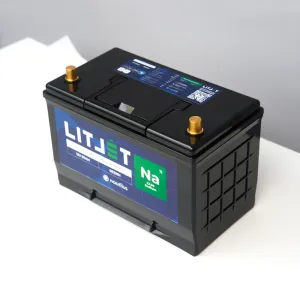
Litjet Sodium-ion batteries on Enex